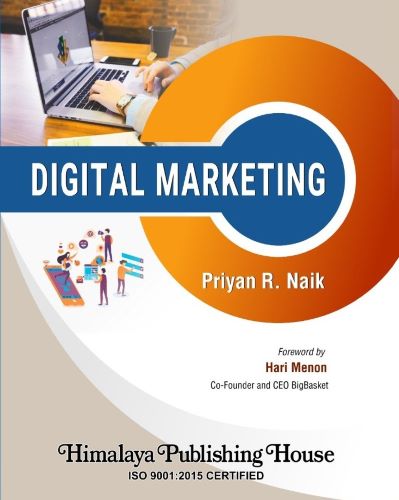




In the rapidly evolving business landscape, digital marketing has become a core competency for commerce & management graduates. Yet, there are so few textbooks suitable for the syllabus prescribed by Bangalore North, Central and Bangalore University for BBA and M.Com. students. Books that are available are overloaded with technical jargon, leaving students with fragmented knowledge. Digital Marketing aims to provide a structured, comprehensive, and academically rigorous foundation tailored specifically to the syllabus needs of M.Com. & BBA, at Bangalore, Bangalore North and Bangalore City Universities and the MBA program of Pondicherry University – St Joseph’s College MBA Twinning Program.
A primer on Digital Marketing, this book is designed to fill a crucial gap in management education by offering a blended approach, strong conceptual grounding, real-world applications, Indian case studies, and student-centric pedagogy. It aligns with the NEP 2020 and Karnataka’s SEP 2025 framework emphasising digital literacy, skill development, and employability.
Key Features of the Book:
Syllabus-Aligned Structure: Carefully mapped to the three Bangalore Universities, and the Pondicherry University – St Joseph’s College MBA Twinning Program has curricula across India, with chapters structured to meet UGC guidelines and popular university patterns.
Simple and Clear Language: Jargon-free explanations suited for undergraduate and postgraduate commerce and management students.
Practical Frameworks and Models: Including the Digital Marketing Funnel, Customer Lifecycle Marketing, Content Strategy Matrix, and ROI-Based Planning.
Pedagogical Tools: Each chapter includes learning objectives, key terms, case-lets, review questions of 3 types: Short, Analytical & Essay type. Cases and practical assignments will be presented where necessary.
India-Focused Examples: Case studies featuring Indian startups, MSMEs, and digital-first brands such as Zomato, Nykaa, Swiggy, Zerodha, and government campaigns like Digital India.
Industry Orientation: Introduces students to current tools and certifications such as Google Ads, Meta Blueprint, Google AdWords, Google My Business YouTube Video Ads etc., preparing them for internships and job roles.
Contents –
Chapter 1 Introduction to Digital Marketing
• Introduction
• Meaning and Definition
• History
• Features
• Scope
• Benefits and Problems
• Traditional Marketing vs Digital Marketing
• Landscape: Past-Today-Future
• Internet Infrastructure Stack
• Business Models and Strategies
• Strategic Planning
• Strategy to Electronic Planning
• Strategic Drivers of the Internet Economy
• Business Models to Digital Business Models
• E-Business Models
• Performance Metrics
• The Balanced Score Card
Chapter 2 Digital Marketing Environment
• Products on the Internet
• Creating Customer Value Online
• Product Benefits
• E Marketing
• Enhanced Product Development
• Price
• Change in Pricing Strategies
• Buyer and Seller Perspectives
• Payment Options
• Distribution
• Online Channel Intermediaries
• Distribution Channel Length and Functions
• Channel Management and Power
• Distribution Channel Metrics
• Promotion
• Integrated Marketing Communication (IMC)
• IMC Metrics
• Internet Advertising
• Marketing Public Relations
• Sales Promotion Offers
• Direct Marketing
• Personal Selling
• Search Engine Optimisation (SEO)
• Contents, Tools and Organisation
• Content Management
• SWOC
Chapter 3 Navigating the Data-Driven Research and Digital Environment
• Data-Driven Strategy
• Marketing Knowledge Management
• Monitoring Social Media
• Technology Enabled Approaches
• Real Space Approaches
• Marketing Databases and Data Warehouses
• Data Analysis and Distribution
• Knowledge Management Metrics
• Online Consumer Behaviour
• Segmentation and Targeting
• Differentiation Positioning Strategies
• Online Marketing Research Tools
• Concept of Affiliated Marketing
• Overview of Global E-Marketing Issues
• Country and Market Opportunity Analysis
• Technological Readiness Influence Marketing
• Wireless Internet
Chapter 4 Customer Acquisition and Retention
• Profile of Customers
• Browsing Behaviour Model
• Elements of Social Media
• Social Media Strategies
• Social Media Performance Metrics
• Building Customer Relationships
• Relationship Marketing
• Three Pillars of Relationship Marketing
• Customer Relationship Management (CRM)
• CRM Building Blocks
• Ten Rules for CRM Success
• CRM Platforms, Strategies and Models
• E-CRM System and Uses
• Website Solution Method
• Web Analysis
• Use of Google Analytics – Reports
Chapter 5 Email, Content and Search Marketing (SEM and SEO)
• Email Marketing.
• Creating e-Mailers through a Contact Management and Segmentation Strategy
• Tracking emails
• Creating Unique email Content
• CTR and Open Rates of e-mails
• Relationships and Lead Nurturing
• Content Marketing and Contact Strategy
• Contact Creation Framework and Repurposing
• Promoting, Measuring and Analysing Content
• Search Marketing
• Search Engine Marketing (SEM)
• Paid Advertising and Ad Formats
• Keywords and Keyword Optimisation
• Search Engine Optimisation (SEO)
• Ecosystem of a Search Engine
• On-Page SEO
• Off-Page SEO
• Technical SEO
• Content and Localising SEO
• Google Algorithms and Updates;
• SEO Tools
• Google Business Profile
Chapter 6 Social Media Marketing (SMM) and Web Analytics
• Social Media Marketing (SMM)
• Facebook Marketing
• Twitter Marketing
• LinkedIn Marketing
• YouTube Marketing
• Emerging Platforms:
— Google Plus Marketing
— Pinterest Marketing
— Snapchat Marketing
— Instagram Marketing
• Social Media Marketing:
— Tools
— Media Ad Specs
— ROI
— Tools and Dashboards
• Reputation Management
• Web Analytics
• Google Analytics (GA):
— Google Analytics Layout
— Basic Reporting
— Basic Campaign and Conversion Tracking
— Google Tag Manager
• Social Media Analytics
• Social CRM and Analytics
• Other Web Analytics Tools
• Metrics:
— Behavioural Metrics
— Performance Metrics
• Tracking and Optimisation:
— UTM Parameters
— Conversion Tracking
— Attribution Models
— A/B Testing for Ads
Chapter 7 Google Ads, AdSense and Display Advertising
• Google Ads (Earlier Google AdWords) Fundamentals
• Different types of AdWords and Ad Creation Process
• Keyword Targeting and Selection
• Display Planner
• Creating Different Extensions
• Bidding Techniques – Manual / Automated
• Measuring Campaign Performance: CPC, CPA and CPM Based Accounts
• Google AdSense Fundamentals
• Understanding Ad Networks and AdSense’s Limitations
• Displaying Ads on websites, Configuring Channels and Ad Styles
• Allowing and Blocking Ads
• Running AdSense Reports and Custom Reports
• Affiliate Marketing
• Affiliate Marketing and Google AdSense
• Tracking and Web Analytics in Affiliate Marketing
• Advantages, Challenges and Risks of Affiliate Marketing
• How Google Ads, AdSense and Affiliate Marketing Fit in the Ecosystem
• Search Advertising and Display Advertising
• Google Display Network (GDN)
• Types of Display Advertising
• Types of Banners in Display Advertising
• Contextual, Behavioural Advertising and Location Targeting
• Role of Display Advertising in AdSense
• Measuring Success in Display Advertising
• Display Advertising Beyond Google
• Programmatic Advertising
• Programmatic Advertising Channels
• Real Time Bidding
Chapter 8 Emerging Trends in Digital Marketing
• Introduction
— Brief Overview of How Digital Marketing is Evolving.
— Importance of Technology, Consumer Behaviour, and Data in Shaping Trends.
• Emerging Digital Marketing Platforms
• YouTube Advertising
— Why Advertise on YouTube
— Creating YouTube Campaigns
— Ad Formats: Instream, Invideo, In Search, In Display Ads
— Measuring Ad Performance
— Driving Leads and Sales from YouTube Ad Conversions
• Mobile Marketing
• Voice Search Marketing
• Cross-Device Marketing
• Beacon Technology Marketing
• Technology-Driven Marketing Trends
• Artificial Intelligence in Marketing
• Chatbots for Customer Engagement
• Big Data and Predictive Analytics
• Virtual Reality (VR) Experiences
• Augmented Reality (AR) Experiences
• Blockchain Technology for Digital Advertising
• Conversion and Performance Optimisation
— Conversion Tracking
— Types of Conversions
— Setting Up Conversion Tracking
— Optimising Conversions
— Tracking Offline Conversions
— Analysing Conversion Data
— Conversion Optimiser
• Consumer Behaviour and Trust
— Consumer Loyalty
— Role of Technology Readiness in Developing Trust
— Online Expression and User-Generated Content
• Ethical, Privacy and Security Considerations
— Privacy Regulations and Consent-based Marketing
— Cyber Security in Marketing Platforms
— The Digital Divide and Access to Digital Services
— Cyber Crime Risks Affecting Digital Marketing
— Governance and ICANN
• Future Outlook
— Trends Shaping Digital Marketing.
— Convergence of Technology, Data, and Consumer Trust.
— What’s Next?
— Artificial Intelligence (AI)
— Immersive Experiences
— Hyper-Personalisation
— Ethical Marketing Practices.