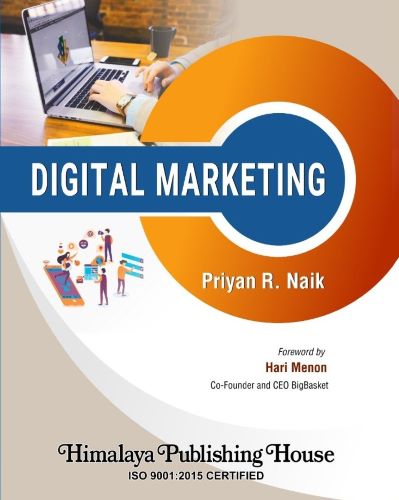



Digital marketing has moved from the margins of business practice to its very core. For todays commerce and management graduates, it is no longer an optional skill but a foundational competency. Yet, students across Indian universities continue to struggle with textbooks that are either excessively technical, poorly aligned with prescribed syllabi, or written from a purely theoretical perspective, resulting in fragmented learning, tools without strategy, tactics without context.
What is the Purpose of the Book?
This primer is meant to address this gap, to serve as a ready reckoner, to offer a structured, syllabus aligned academically, with a foundation rigorously laid out for undergraduate and postgraduate students of commerce and management. The book is specifically tailored for students, professors, business executives, managers, entrepreneurs, and for the curious reader who wants to understand the basics of digital marketing. It aims not merely to familiarise readers with digital tools, but to cultivate strategic thinking, analytical capability and ethical awareness, the very qualities essential for navigating in a digital economy.
Approach and Organisation of the Book:
The book follows a progressive approach, moving from foundational concepts to applied practices and finally, to emerging trends and a future direction. It is organised into eight comprehensive chapters, each designed to build logically upon the previous one.
The early chapters introduce the evolution, scope and strategic foundations of digital marketing within the broader internet economy, contrasting it with traditional marketing. Subsequent sections examine the digital marketing environment, online product development, pricing, distribution, promotion and integrated marketing communication. The middle chapters focus on data-driven strategy, online consumer behaviour, research tools, segmentation, targeting and positioning, followed by detailed treatment of customer acquisition, retention, CRM, social media marketing, email marketing, content marketing, SEO, SEM, and web analytics.
The later chapters explore the paid advertising ecosystem, including Google Ads, AdSense, display and programmatic advertising, affiliate marketing and performance measurement. The final chapter addresses emerging technologies and issues such as artificial intelligence (AI), big data, voice search, immersive experiences, privacy, cybersecurity, ethics and the future trajectory of digital marketing. Although each chapter is modular, together they offer a coherent and cumulative learning journey.
Contents –
Chapter 1 Introduction to Digital Marketing
• Introduction
• Meaning and Definition
• History
• Features
• Scope
• Benefits and Problems
• Traditional Marketing vs Digital Marketing
• Landscape: Past-Today-Future
• Internet Infrastructure Stack
• Business Models and Strategies
• Strategic Planning
• Strategy to Electronic Planning
• Strategic Drivers of the Internet Economy
• Business Models to Digital Business Models
• E-Business Models
• Performance Metrics
• The Balanced Score Card
Chapter 2 Digital Marketing Environment
• Products on the Internet
• Creating Customer Value Online
• Product Benefits
• E Marketing
• Enhanced Product Development
• Price
• Change in Pricing Strategies
• Buyer and Seller Perspectives
• Payment Options
• Distribution
• Online Channel Intermediaries
• Distribution Channel Length and Functions
• Channel Management and Power
• Distribution Channel Metrics
• Promotion
• Integrated Marketing Communication (IMC)
• IMC Metrics
• Internet Advertising
• Marketing Public Relations
• Sales Promotion Offers
• Direct Marketing
• Personal Selling
• Search Engine Optimisation (SEO)
• Contents, Tools and Organisation
• Content Management
• SWOC
Chapter 3 Navigating the Data-Driven Research and Digital Environment
• Data-Driven Strategy
• Marketing Knowledge Management
• Monitoring Social Media
• Technology Enabled Approaches
• Real Space Approaches
• Marketing Databases and Data Warehouses
• Data Analysis and Distribution
• Knowledge Management Metrics
• Online Consumer Behaviour
• Segmentation and Targeting
• Differentiation Positioning Strategies
• Online Marketing Research Tools
• Concept of Affiliated Marketing
• Overview of Global E-Marketing Issues
• Country and Market Opportunity Analysis
• Technological Readiness Influence Marketing
• Wireless Internet
Chapter 4 Customer Acquisition and Retention
• Profile of Customers
• Browsing Behaviour Model
• Elements of Social Media
• Social Media Strategies
• Social Media Performance Metrics
• Building Customer Relationships
• Relationship Marketing
• Three Pillars of Relationship Marketing
• Customer Relationship Management (CRM)
• CRM Building Blocks
• Ten Rules for CRM Success
• CRM Platforms, Strategies and Models
• E-CRM System and Uses
• Website Solution Method
• Web Analysis
• Use of Google Analytics – Reports
Chapter 5 Email, Content and Search Marketing (SEM and SEO)
• Email Marketing.
• Creating e-Mailers through a Contact Management and Segmentation Strategy
• Tracking emails
• Creating Unique email Content
• CTR and Open Rates of e-mails
• Relationships and Lead Nurturing
• Content Marketing and Contact Strategy
• Contact Creation Framework and Repurposing
• Promoting, Measuring and Analysing Content
• Search Marketing
• Search Engine Marketing (SEM)
• Paid Advertising and Ad Formats
• Keywords and Keyword Optimisation
• Search Engine Optimisation (SEO)
• Ecosystem of a Search Engine
• On-Page SEO
• Off-Page SEO
• Technical SEO
• Content and Localising SEO
• Google Algorithms and Updates;
• SEO Tools
• Google Business Profile
Chapter 6 Social Media Marketing (SMM) and Web Analytics
• Social Media Marketing (SMM)
• Facebook Marketing
• Twitter Marketing
• LinkedIn Marketing
• YouTube Marketing
• Emerging Platforms:
— Google Plus Marketing
— Pinterest Marketing
— Snapchat Marketing
— Instagram Marketing
• Social Media Marketing:
— Tools
— Media Ad Specs
— ROI
— Tools and Dashboards
• Reputation Management
• Web Analytics
• Google Analytics (GA):
— Google Analytics Layout
— Basic Reporting
— Basic Campaign and Conversion Tracking
— Google Tag Manager
• Social Media Analytics
• Social CRM and Analytics
• Other Web Analytics Tools
• Metrics:
— Behavioural Metrics
— Performance Metrics
• Tracking and Optimisation:
— UTM Parameters
— Conversion Tracking
— Attribution Models
— A/B Testing for Ads
Chapter 7 Google Ads, AdSense and Display Advertising
• Google Ads (Earlier Google AdWords) Fundamentals
• Different types of AdWords and Ad Creation Process
• Keyword Targeting and Selection
• Display Planner
• Creating Different Extensions
• Bidding Techniques – Manual / Automated
• Measuring Campaign Performance: CPC, CPA and CPM Based Accounts
• Google AdSense Fundamentals
• Understanding Ad Networks and AdSense’s Limitations
• Displaying Ads on websites, Configuring Channels and Ad Styles
• Allowing and Blocking Ads
• Running AdSense Reports and Custom Reports
• Affiliate Marketing
• Affiliate Marketing and Google AdSense
• Tracking and Web Analytics in Affiliate Marketing
• Advantages, Challenges and Risks of Affiliate Marketing
• How Google Ads, AdSense and Affiliate Marketing Fit in the Ecosystem
• Search Advertising and Display Advertising
• Google Display Network (GDN)
• Types of Display Advertising
• Types of Banners in Display Advertising
• Contextual, Behavioural Advertising and Location Targeting
• Role of Display Advertising in AdSense
• Measuring Success in Display Advertising
• Display Advertising Beyond Google
• Programmatic Advertising
• Programmatic Advertising Channels
• Real Time Bidding
Chapter 8 Emerging Trends in Digital Marketing
• Introduction
— Brief Overview of How Digital Marketing is Evolving.
— Importance of Technology, Consumer Behaviour, and Data in Shaping Trends.
• Emerging Digital Marketing Platforms
• YouTube Advertising
— Why Advertise on YouTube
— Creating YouTube Campaigns
— Ad Formats: Instream, Invideo, In Search, In Display Ads
— Measuring Ad Performance
— Driving Leads and Sales from YouTube Ad Conversions
• Mobile Marketing
• Voice Search Marketing
• Cross-Device Marketing
• Beacon Technology Marketing
• Technology-Driven Marketing Trends
• Artificial Intelligence in Marketing
• Chatbots for Customer Engagement
• Big Data and Predictive Analytics
• Virtual Reality (VR) Experiences
• Augmented Reality (AR) Experiences
• Blockchain Technology for Digital Advertising
• Conversion and Performance Optimisation
— Conversion Tracking
— Types of Conversions
— Setting Up Conversion Tracking
— Optimising Conversions
— Tracking Offline Conversions
— Analysing Conversion Data
— Conversion Optimiser
• Consumer Behaviour and Trust
— Consumer Loyalty
— Role of Technology Readiness in Developing Trust
— Online Expression and User-Generated Content
• Ethical, Privacy and Security Considerations
— Privacy Regulations and Consent-based Marketing
— Cyber Security in Marketing Platforms
— The Digital Divide and Access to Digital Services
— Cyber Crime Risks Affecting Digital Marketing
— Governance and ICANN
• Future Outlook
— Trends Shaping Digital Marketing.
— Convergence of Technology, Data, and Consumer Trust.
— What’s Next?
— Artificial Intelligence (AI)
— Immersive Experiences
— Hyper-Personalisation
— Ethical Marketing Practices.